Otto’s story
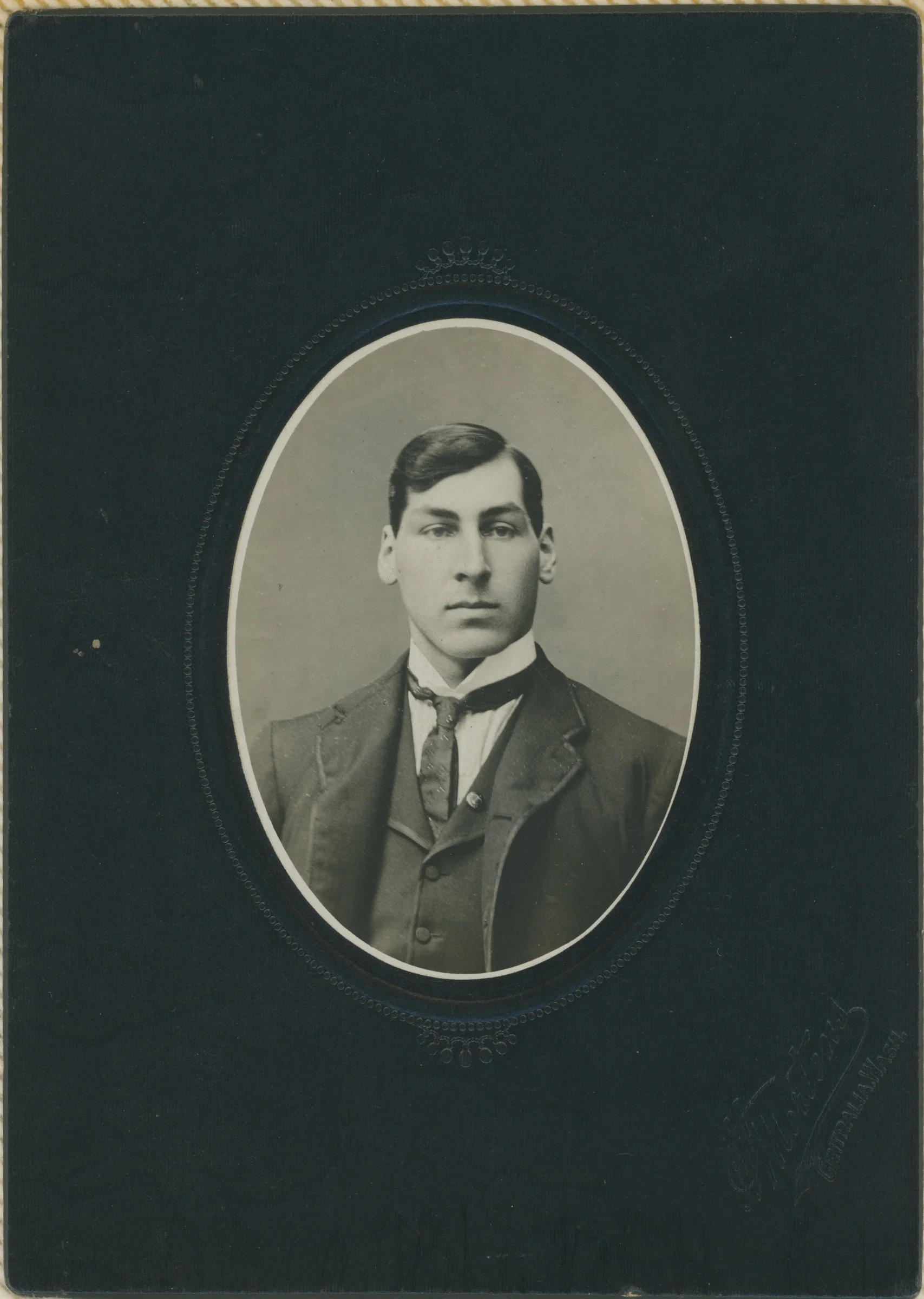
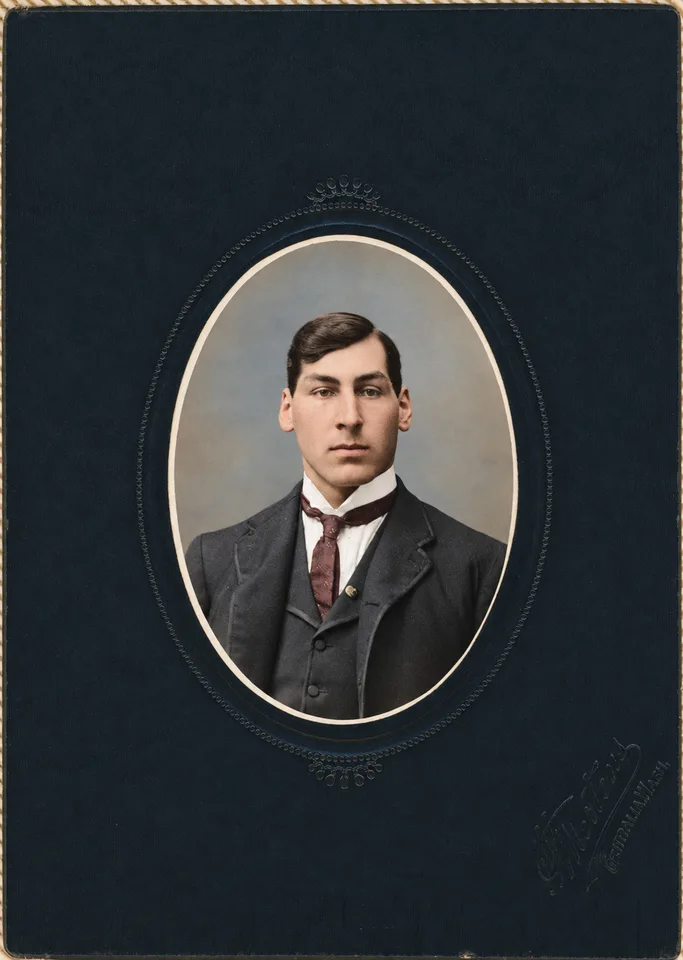
When Eileen Townsend remembered her father, she remembered the little things that made him unmistakably himself: his large hands, his quiet voice, the way he changed out of his work clothes at the end of the day and read until it was time for the nine o’clock news. Sometimes he brought out his harmonica, and her mother, Millie, joined him at the piano. These are the details that bring Otto Hilpert home to us. The photographs show a farmer, a husband, and a father. His daughter’s memories, and the letters he left behind, let us spend a little time in his company.
Growing up on the Hilpert farm
Otto’s life was closely tied to the Hilpert farm beside the Skookumchuck River near Centralia, Washington. His life began in the Centralia district on April 19, 1881, a son of David August Hilpert and Magdalena Gebhardt. Among their eight children, he was one of the younger ones. Reinhold, Selma, Hannah, Pauline, and Hattie came before him; Phillip and Helen followed. As those children grew up and established homes of their own, the family spread well beyond Centralia, but the farm remained a place where their lives met.
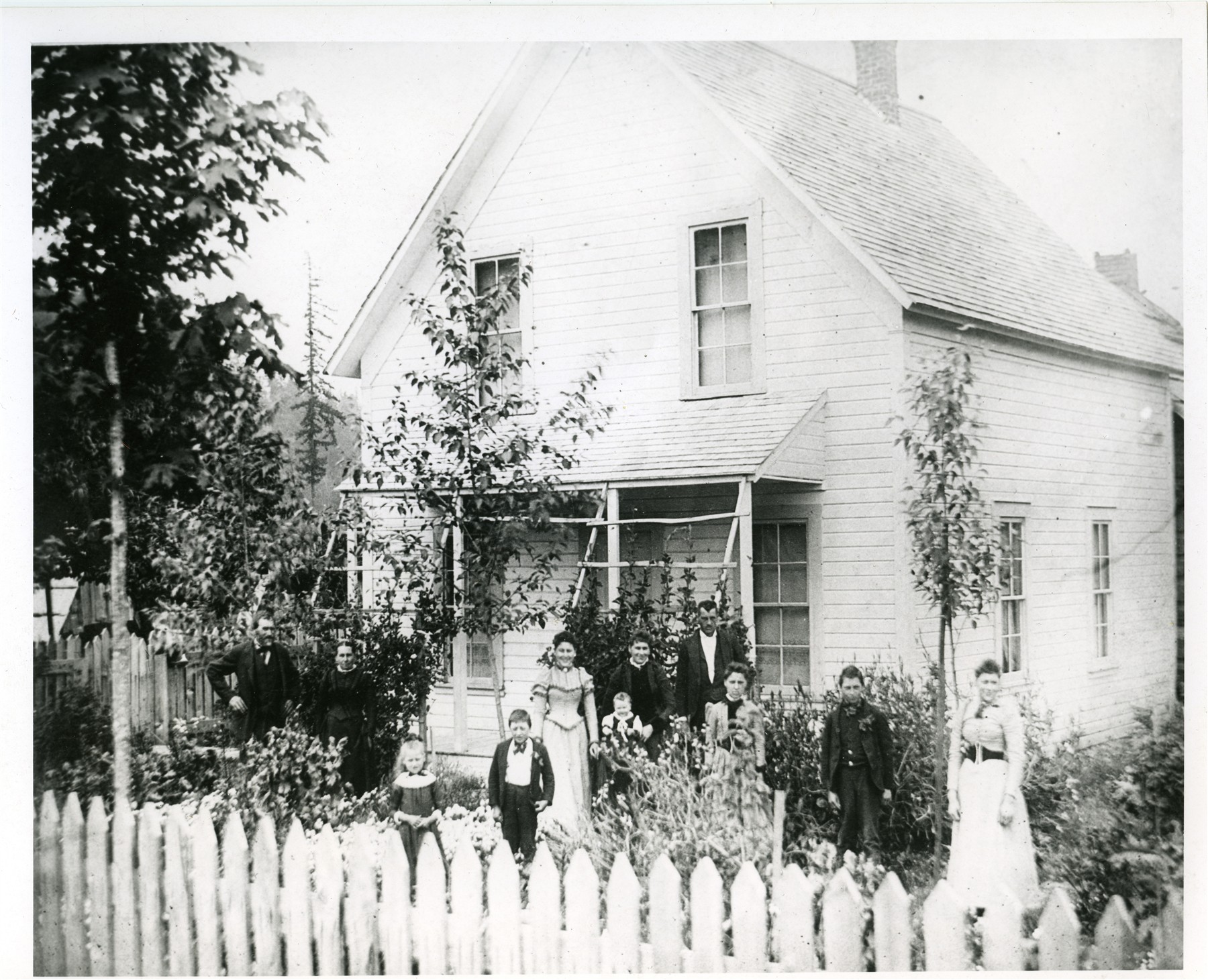
One of the earliest surviving pictures of Otto shows him with the family outside their old log house in 1892. He was about eleven. Eileen later recorded a small story he told about that occasion: his little sister Helen had a new dress and did not want anyone touching it. It is a lovely detail to have survived from a childhood otherwise represented mostly by faces in photographs. Another family picture, dated July 10 that year, shows the household with Selma’s baby daughter, Lona, the first grandchild.
As an adult, Otto continued farming alongside his brothers. His father died in 1906, and a lease preserved in the albums bears Otto’s and Phillip’s names and the date January 10, 1911. The land was both a livelihood and a family responsibility. Eileen also passed down a story about Otto and Reinhold making provision for Phillip when the family’s inheritance arrangements would otherwise have left him with little. Her account describes them sharing land and helping him get established. It is a family recollection rather than a complete legal history, but it shows how she understood the brothers’ obligations to one another.
Farm work and the Grange
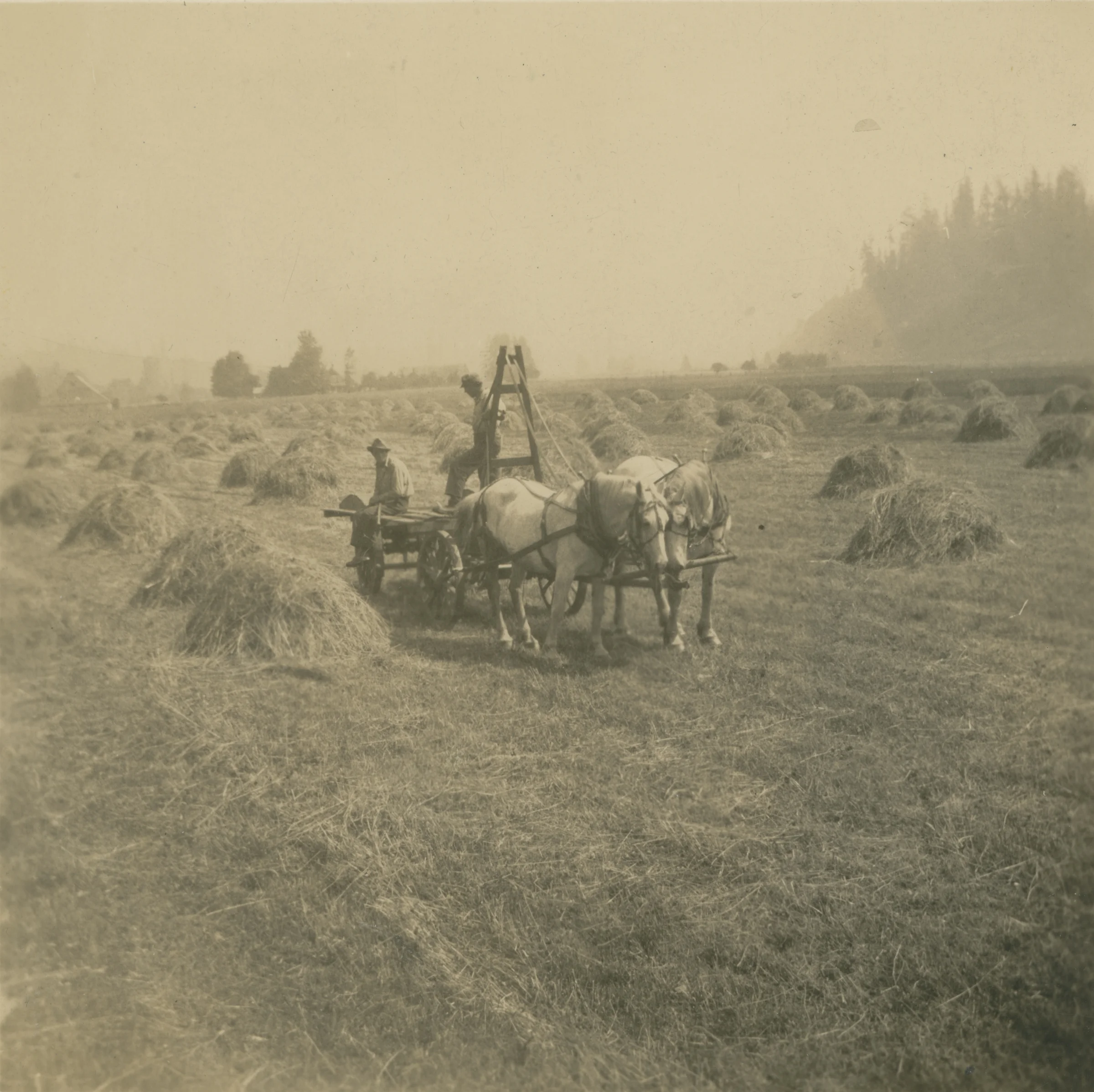
Otto’s own letters give us a much closer look at his working days. He wrote about clearing land, sowing grain, digging potatoes, feeding cattle, and trying to get the hay in before the weather changed. During the winter of 1917–18, he reported having about sixty-five head of horses and cattle to feed. A late spring meant costly feed and delayed work; a dry summer meant a short hay crop. Visits and holidays had to fit around these demands.
There was room for pleasure in the middle of it all. In November 1917, he told Millie about going fishing with Phillip and Bob Teeter and coming back with eighteen salmon after about two hours. His letters also mention apples, cider making, automobile outings, family visitors, and the northern lights, which once interrupted his writing. When the eclipse came in June 1918, he described the sight to Millie in Denver. She had been unable to see it clearly through the clouds. Their letters carried these small experiences back and forth along with the larger matters occupying their lives.
The Grange was another lasting part of Otto’s world. He was a charter member of Oakview Grange, organized in 1909, and he took an active interest in its work. In 1917 he traveled to Wenatchee as a delegate to the state gathering. A letter from his sister Helen that June congratulated him on becoming Grange master. Years later, newspapers again reported him serving as Oakview’s master. Eileen remembered that he seldom missed a meeting.
Meeting Millie
It was through Helen and her husband, Herbert Schaefer, that Otto met the woman who would share his life. The Schaefers knew Millie Dortzbach and her family from Colorado. In June 1916, Millie and her friend Anita Chance stopped at the Hilpert farm while traveling in the West. Eileen’s account credits Herbert with encouraging the stop and notes that both Herbert and Helen later claimed a part in bringing the couple together.
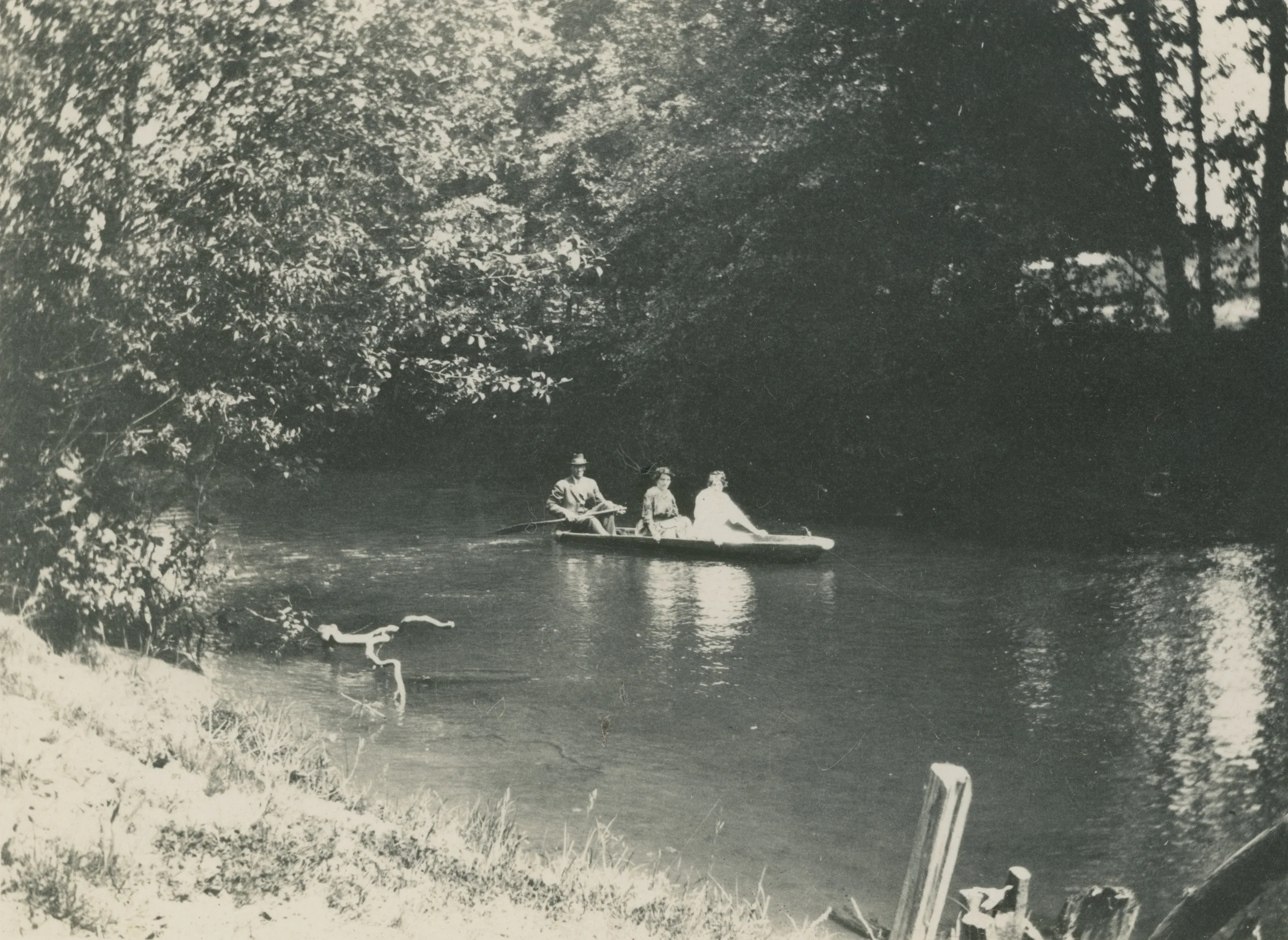
The visit did not begin as an announced courtship. Millie was a telephone worker from Denver, enjoying a holiday with a friend. She liked the river and the country surroundings. Otto wanted copies of the photographs taken during their visit, and the exchange of pictures helped open the correspondence. There was even an early misunderstanding: according to Eileen, Millie thought Otto was married until Helen explained that Phillip was the married brother.
Otto’s first surviving letter to her, dated November 6, 1916, thanked her for a Kodak picture and recalled their pleasant day together. Their correspondence gradually became more familiar. In the fall of 1917 he visited Denver, where they spent time together, went to shows, and enjoyed an outing to Lookout Mountain. After he returned to Washington, letters and Christmas gifts continued the connection. He sent a necklace and candy; her photograph became one of the things he kept close.
Letters and a proposal
In January 1918, Otto finally put his hopes plainly into words. In a letter mailed January 23, he asked Millie to become his “lifes companion.” He admitted how difficult the letter was to write because so much of his future seemed to depend on her answer. His declaration is unusually direct, and it is worth remembering alongside Eileen’s description of a soft-spoken man. When something mattered deeply, he could say so.
Millie did not give him an immediate yes. She had thought of him as a friend, she explained, and needed time to understand her own feelings. She had always considered herself a businesswoman and had not given marriage much thought. She also wanted to make the decision for herself before discussing it with her parents or Helen. Otto’s answer allowed her that time.
Their letters over the following months show the relationship changing. They arranged to write regularly, and Millie began looking forward to Thursdays, when his letters usually arrived. By the end of March she could tell him that she believed she loved him, but she wanted him to hold her and ask her in person. She also had responsibilities at the telephone office that she could not simply set aside. Otto was eager for their life together to begin, and sometimes his eagerness ran ahead of her plans. When she explained, he apologized for being hasty and agreed to wait.
A wedding in Denver
Getting back to Denver required working around the farm and the demands of wartime. In 1918, some of the milk from the farm was being shipped to Camp Lewis, and Otto’s letters describe hauling it to the depot until a truck began collecting it. Summer drought and harvest work complicated his travel plans. He eventually went to Colorado that fall, but another obstacle followed: he became seriously ill with influenza. Eileen’s account says Helen nursed him for two or three weeks and that the family feared for his life.
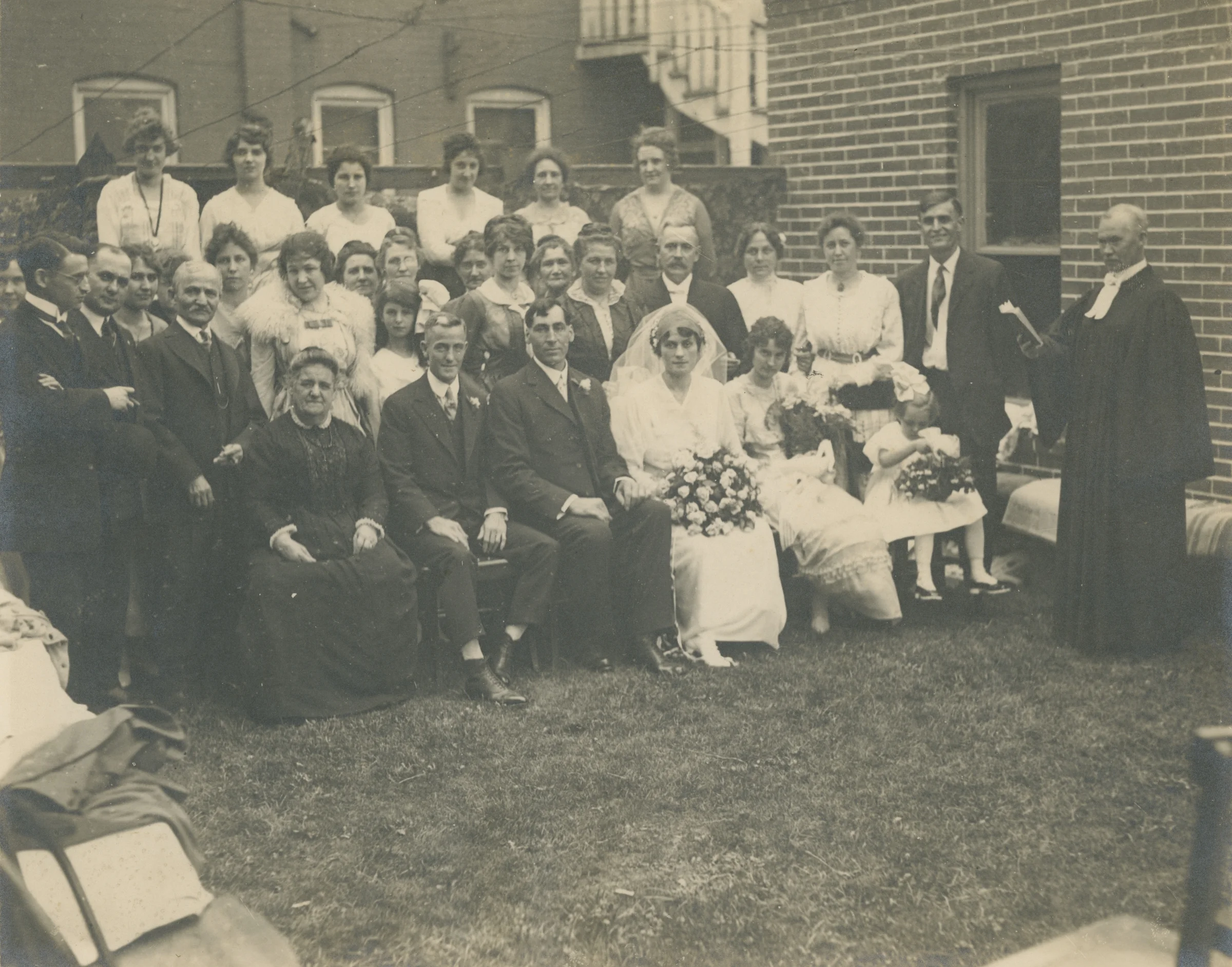
Otto recovered sufficiently for the wedding to go ahead on October 16, 1918. He was thirty-seven and Millie twenty-eight. They married outdoors at her parents’ home on Marion Street in Denver, with autumn flowers and leaves among the decorations. The wedding reports and family account connect the outdoor arrangements with the influenza emergency. The surviving photographs preserve the family gathering that took place despite it. After a honeymoon trip, they made their home near Centralia.
Making a home and raising Eileen
Their first years together were modest and full of plans. In February 1920, Millie wrote to Helen and Herbert about their small house, measuring sixteen by thirty-two feet. The front room served as both living room and bedroom. There was a large kitchen, a blue stove, and a place under the chimney where Otto could keep his work shoes. They expected the little building eventually to become a woodshed when a larger house was built. Millie’s description was affectionate and practical. “We have lots of fun,” she wrote.
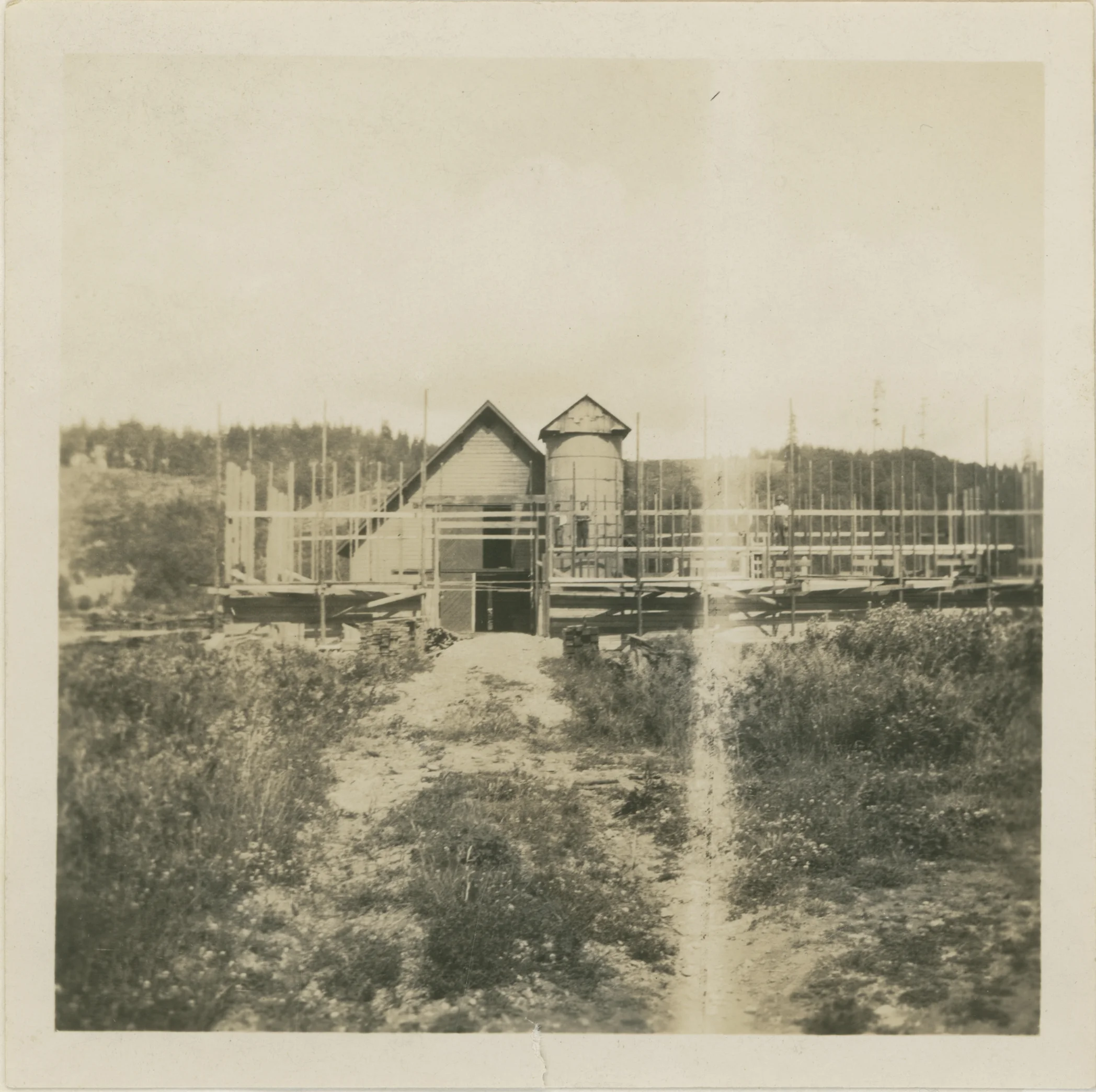
The farm photographs show the work of making a home there: Millie feeding chickens, Otto with the horses, cattle in the barnyard, and the two of them standing on the frozen Skookumchuck in December 1919. Building photographs document the new cow barn and silo in 1921. On July 19, the first load of hay went into the barn before it was completely finished. Eileen later credited her father with designing the barn, tool shed, and pump house. He liked to work an idea out carefully before presenting it, she said; once he had decided, the work went ahead.
Their daughter, Eileen, arrived on November 11, 1923. She was their only child. Through her albums we can follow the household as she grew: her parents, the dogs, visits from aunts and uncles, cousins gathered for photographs, and the farm that surrounded them. One picture places Otto beside his little daughter and her doll. Others show the family outdoors or visiting relatives. These ordinary photographs are especially valuable because they preserve the part of fatherhood that seldom appeared in the newspaper.
Eileen remembered Otto as a big, strong man. Her Uncle Carl said he was the strongest man he had ever known. That strength did not spare him discomfort. His feet troubled him, and she remembered him soaking them after the chores were done. If something hurt, he might say it was “causing a little mischief.” She never remembered hearing him swear. Millie thought he had a dry wit, and he could imitate the way some of the neighbors talked.
A home for family, through joy and loss
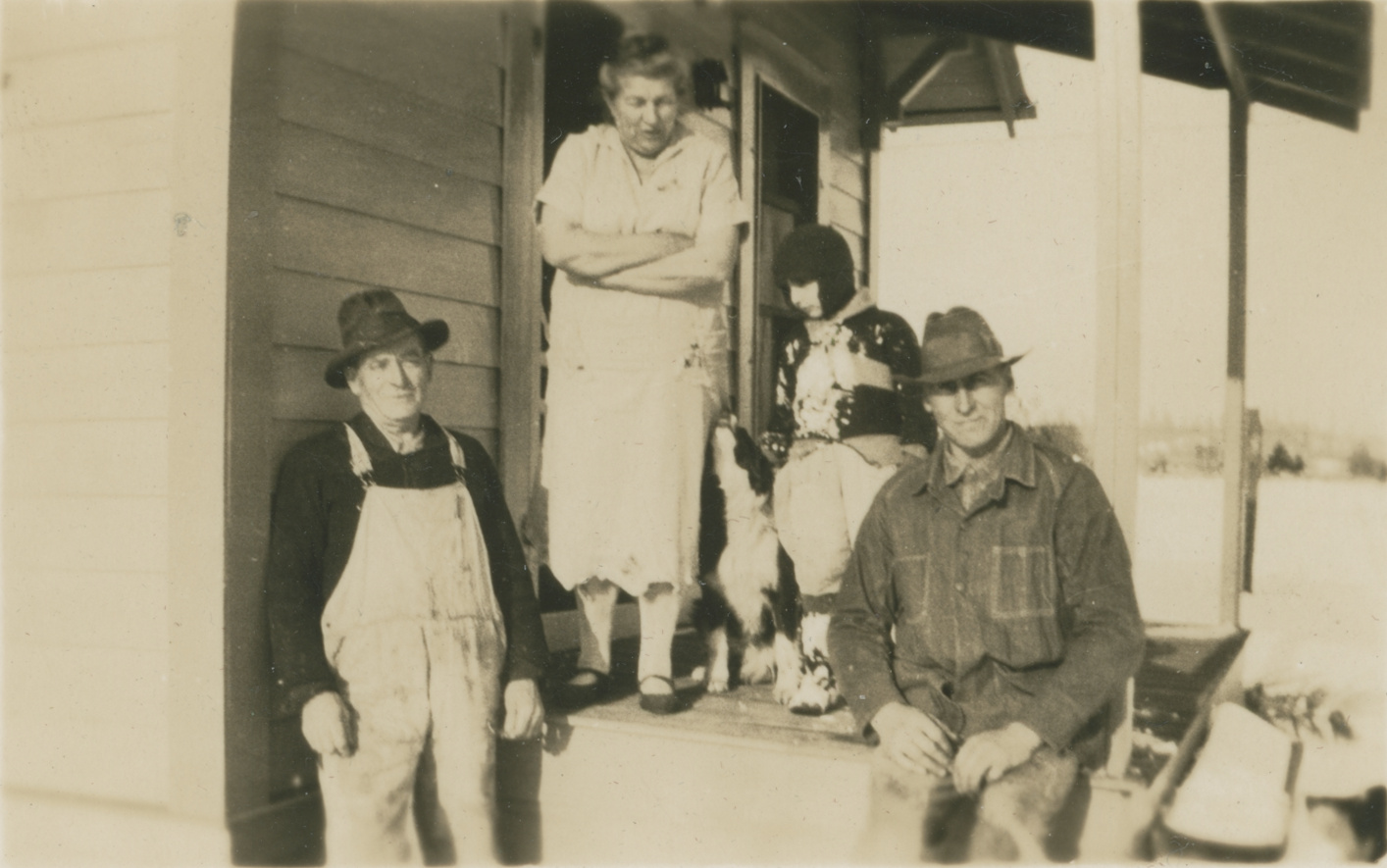
The farm also became a home for Millie’s parents, Peter and Ida Dortzbach, in their later years. Eileen associated their move with financial setbacks and remembered how grateful they were that Otto welcomed them. Their contributions became part of the household: Ida helped with cooking, Peter repaired shoes and did other useful jobs, and Millie took them where they needed to go. Eileen grew up with grandparents close at hand. Their life on the farm connected her to both sides of her family every day.
There were painful losses within that close circle. In 1932, Phillip’s wife, Alice, died, and Phillip disappeared a short time afterward. Eileen remembered the search, the reward offered by Otto and Reinhold, and the eventual discovery of his body. Otto had to identify his brother. She also remembered Millie saying that he had aged ten years that day. The three children Phillip and Alice left behind were taken into relatives’ homes. It was a family tragedy that brought practical responsibilities as well as grief.
Neighbors, harvests and celebrations
Beyond his own household, Otto continued to take a hand in the affairs of the farming community. Newspaper notices place him in leadership of the Centralia National Farm Loan Association during the 1930s, including terms as president and service as a director. He also served as a Gibson school director and as a trustee of the local telephone company. These duties sat alongside farming and Grange work. They help explain why his name appears so regularly in the local paper, but Eileen’s memories supply the quieter side of the same life: a man who planned carefully, worked steadily, and was familiar to generations of neighbors.
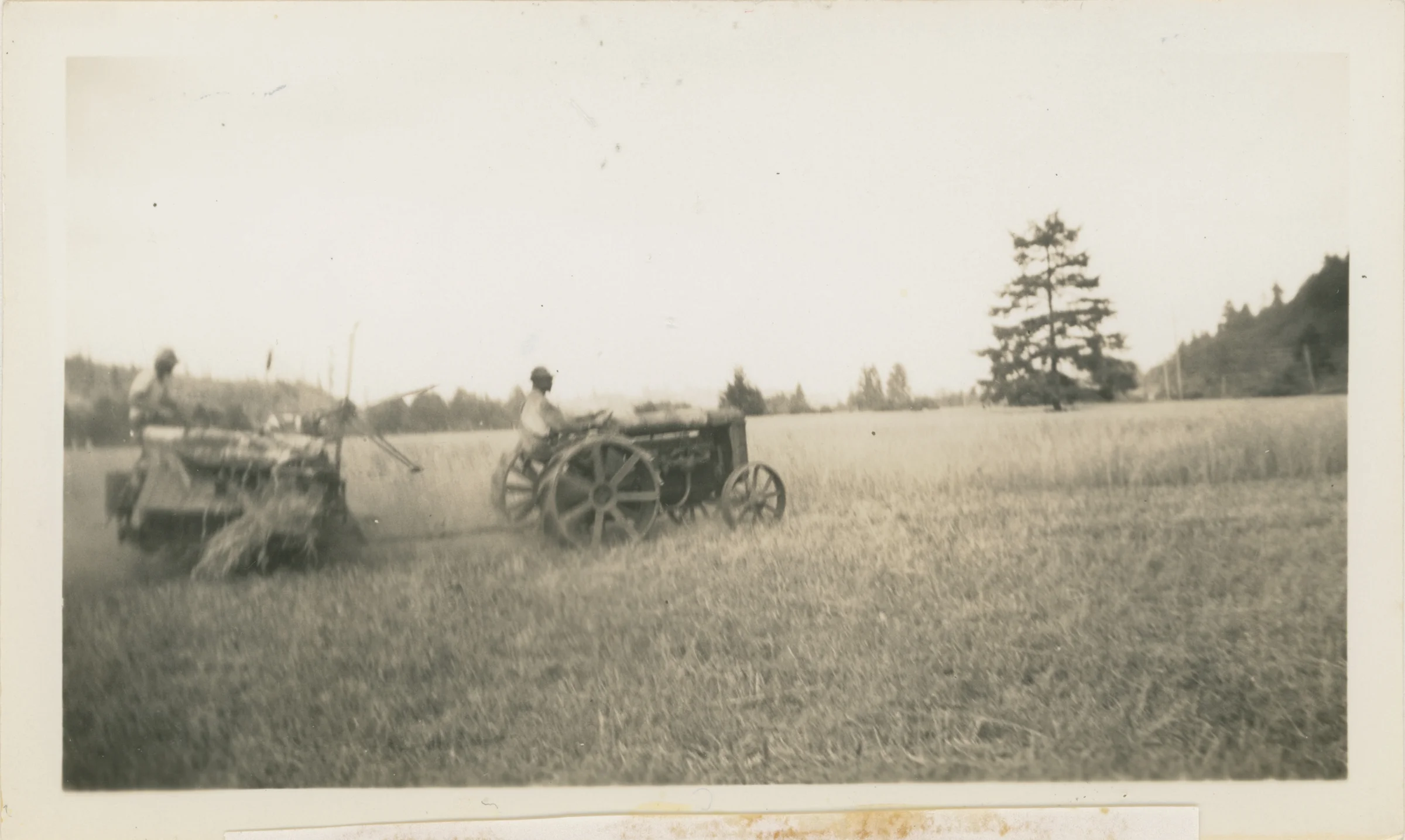
Harvest brought extra hands to the farm. Eileen recalled boys who helped with the hay or grain and later came back to reminisce about the good times and Millie’s meals. By 1937, photographs show Otto working with a tractor and binder, and another picture records him paying the men who had helped fill the silo. The machinery changed, but bringing in a crop still drew people together.
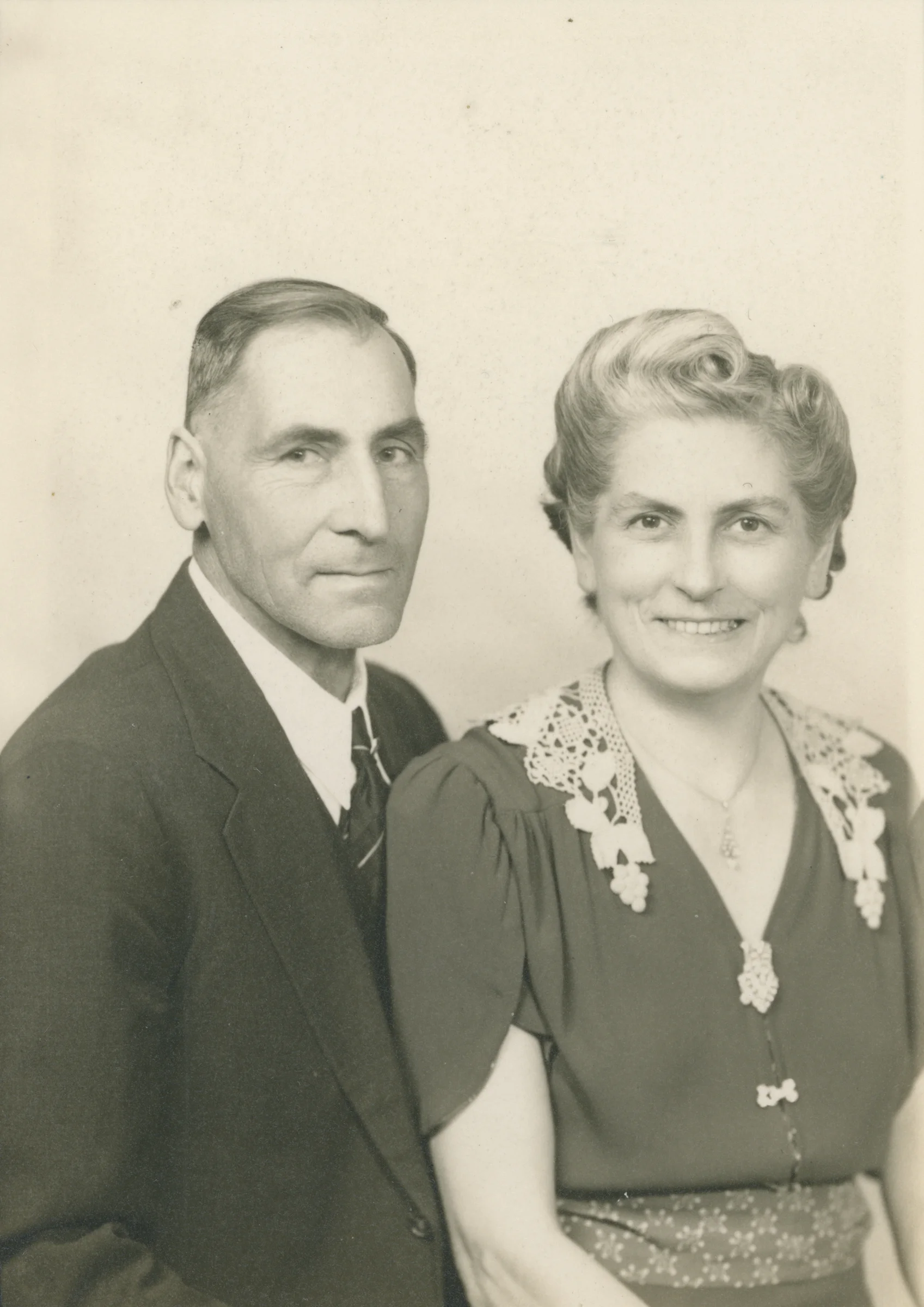
Otto and Millie’s social life was closely connected with that community. There were Grange evenings, musical programs, picnics, and Five Hundred card parties. Otto sometimes played his harmonica at the Grange with Millie accompanying him. They also traveled when they could. In 1939, their photographs record a California trip, visits with family and friends, and the fair at Treasure Island. Back at home, the same year brought a celebration for Peter and Ida’s golden wedding anniversary.
Their own twenty-fifth anniversary came in October 1943. Eileen, then teaching in Hoquiam, helped arrange a surprise celebration with the card club. Millie preserved an account of the evening, including the cake, gifts, and the swing rocker given by family members. It was the sort of occasion that gathered up many years of marriage into a roomful of familiar people.
Their letters continued to do that work when they were apart. In one later letter, written while Millie was away with her ill sister Annie, Otto sent news of the cattle, eggs, neighbors, and Eileen’s visit home. He had taken Eileen and her friend to a picture show. He described the dog Skippy following the girls around and suggested that the dog missed Millie, just as he did. Years after the hesitant first letters, he was still closing with his love.
Eileen’s wedding and the grandchildren
On October 16, 1951, their thirty-third anniversary, Otto gave Eileen away at her wedding to Francis “Bud” Townsend. The date joined the beginning of her marriage to the beginning of her parents’ marriage. Photographs show Otto and Millie among the family at the reception, another gathering Eileen would later preserve in the albums.
Just over a year later, on November 18, 1952, Millie died suddenly at home. She was sixty-two. Eileen remembered that her mother had agreed to play a solo at the Grange that morning before going outside to feed the cats. When she did not return, Otto went to look for her. Their marriage had lasted thirty-four years.
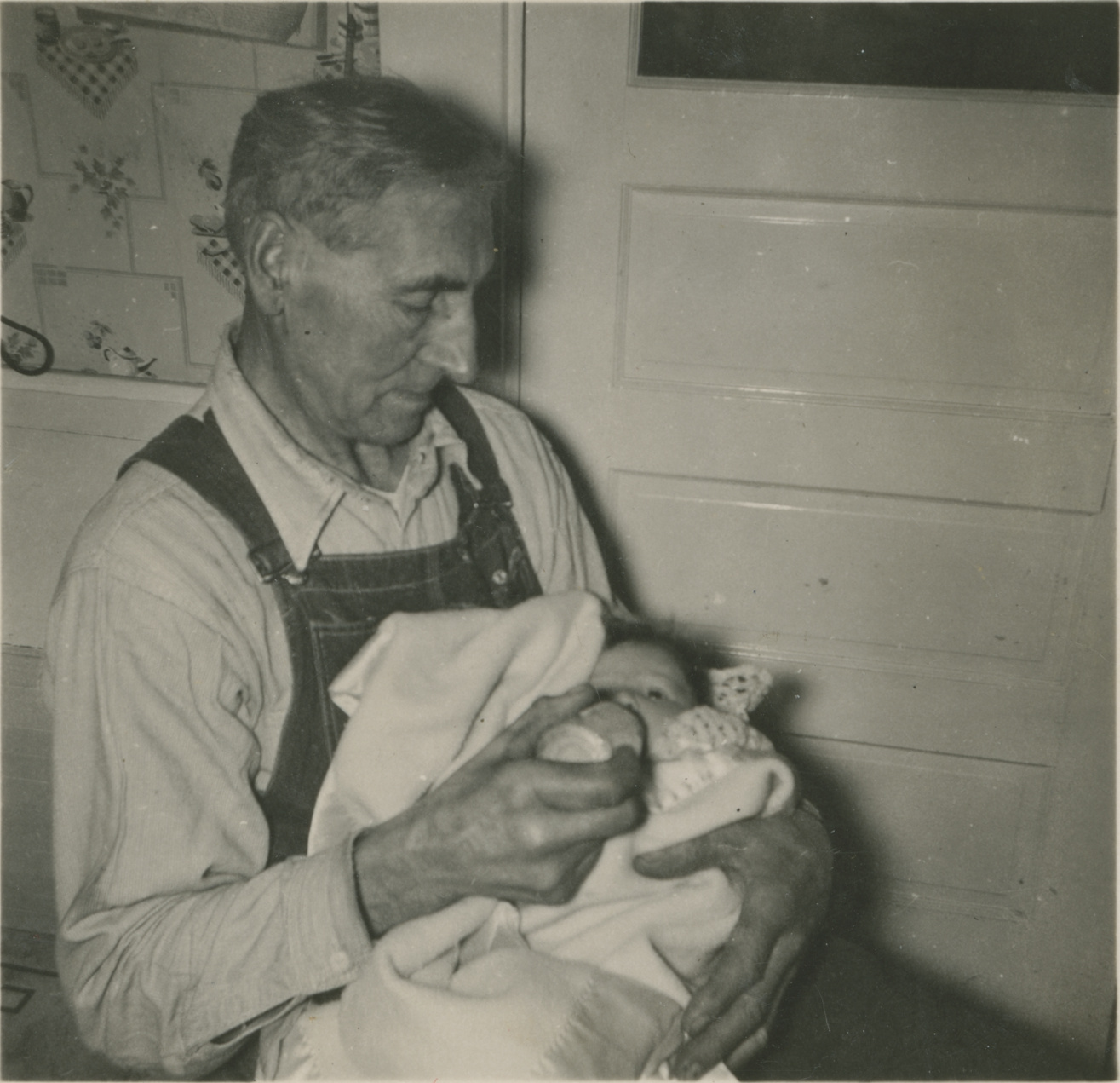
Otto lived to meet the first two of Eileen and Bud’s children. A February 1953 photograph shows him holding Martha Ann, his first grandchild. William Otto, known as Bill, followed in 1954, carrying his grandfather’s name. Other pictures show visits between the farm and the Townsend home at Cinebar, with family members still gathering around him.
His final years and the memories he left
His own health was failing. Eileen later recalled that his doctor warned her about his heart after Millie’s death. His final illness was brief: he spent only a few days in the hospital before dying in Centralia on March 26, 1955, just short of his seventy-fourth birthday. His obituary described him as a lifelong resident of the district and a charter member of Oakview Grange. He was buried at Mountain View Cemetery.
For those of us who never knew Otto, Eileen left more than dates and a family tree. She left the sound of a harmonica beside her mother’s piano, a father settling down with the newspaper after chores, and the words he used when something hurt. His letters add the younger man waiting for an answer from Denver, hoping he had found his companion. Taken together, they give us a life rooted in a particular farm and a particular family, and a man we can begin to recognize as our own.